

7 Science-backed Sea Moss benefits: How Sea Moss (Eucheuma cottonii) supports your gut, skin, energy and more
By Lillian Jessop
Introduction: Sea Moss - The ocean’s easy, natural multivitamin
Sea moss is nature’s powerhouse — packed with nutrients that support energy, immunity, digestion, and overall vitality. But with so many wellness products out there, it’s easy to feel overwhelmed by choice.
If you’re tired, stressed, or simply not feeling your best, you might be asking:
Where do I start? Which nutrients actually matter? What supports my sleep, mental clarity, and energy levels?
Before long, you’re staring at shelves of synthetic supplements — expensive, hard to stick with, and often underwhelming.
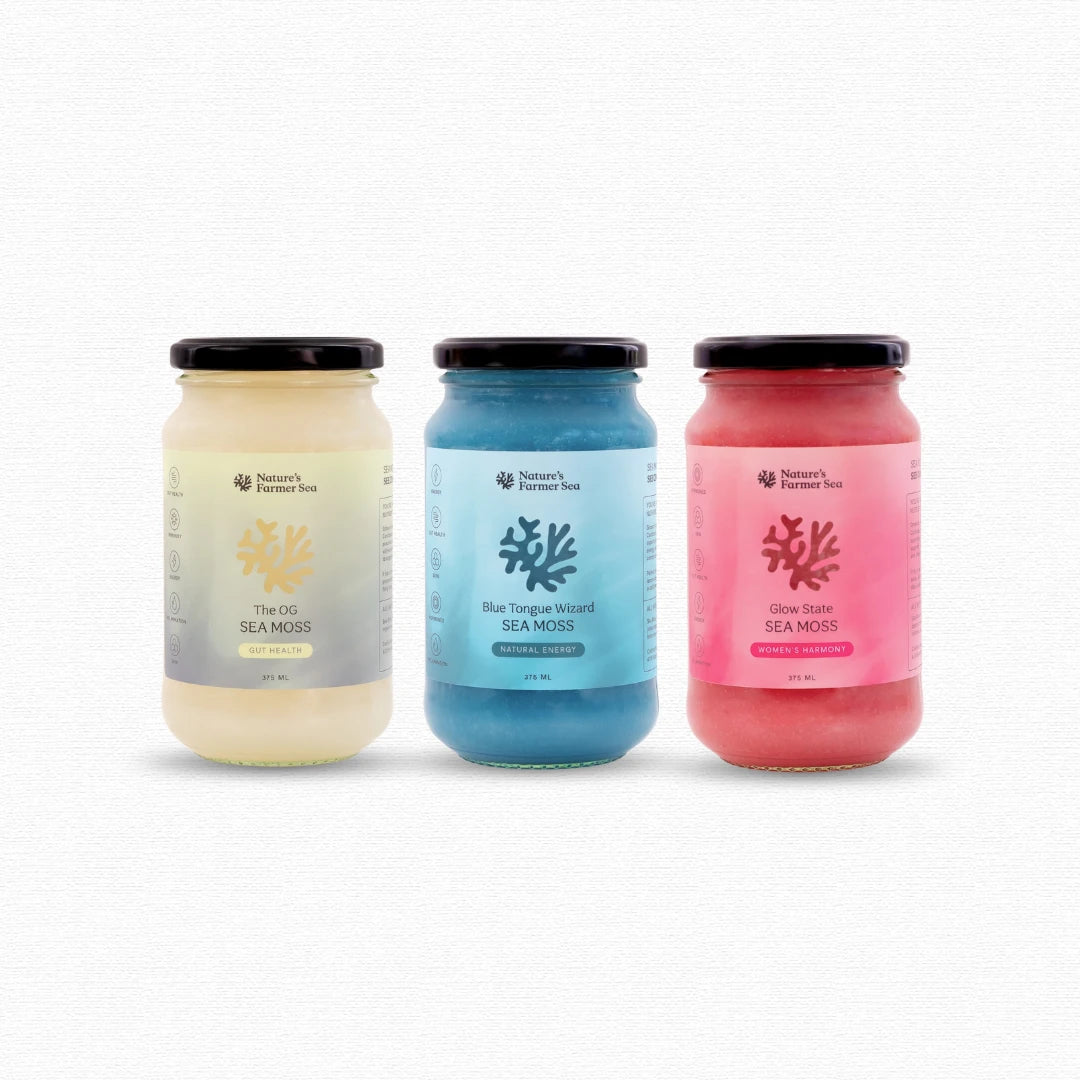
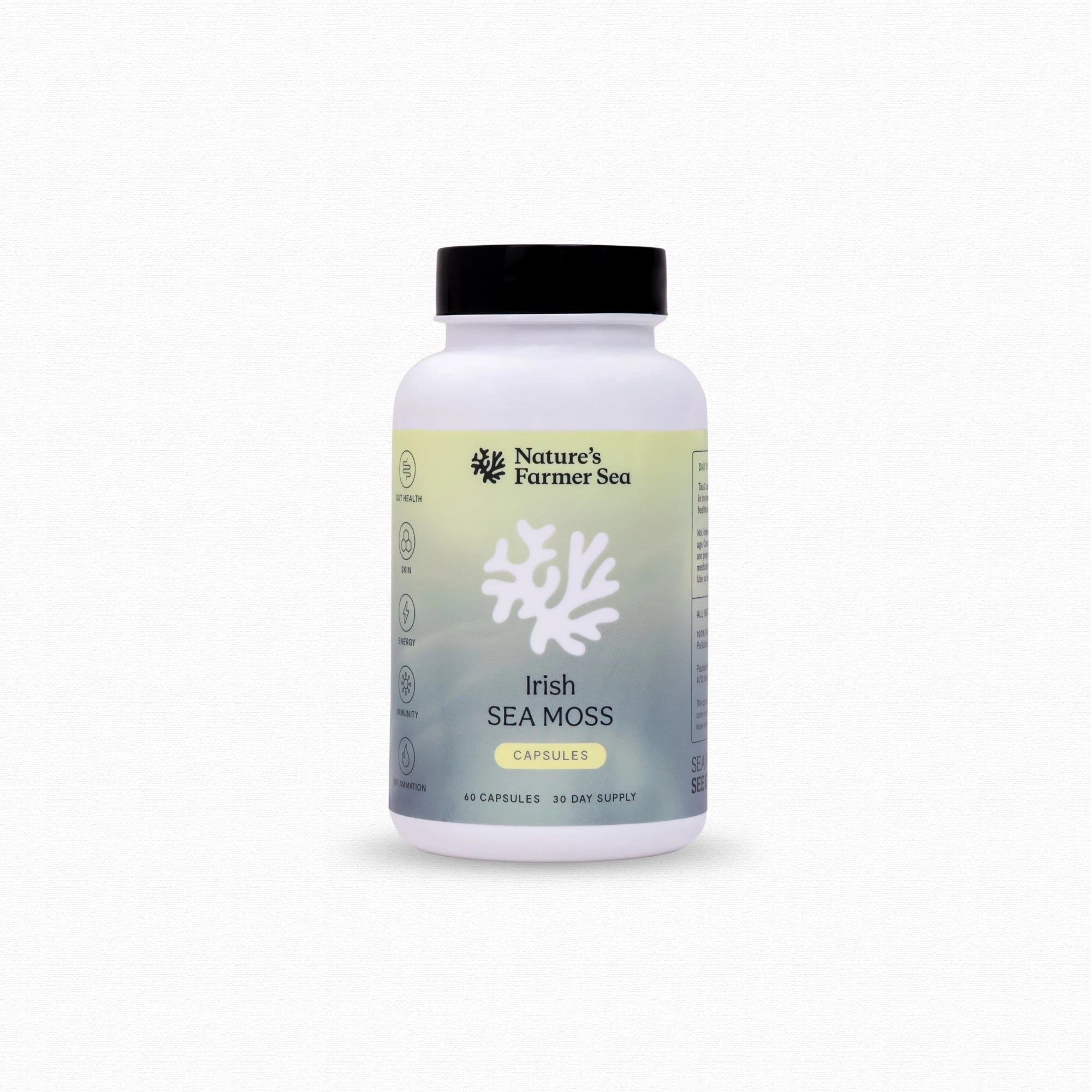
At Nature’s Farmer Sea, we believe there’s a better way. Our organic sea moss gels and capsules provide a natural, all-in-one solution:
-
Rich in 90+ essential nutrients – including iodine, magnesium, potassium, and antioxidants
-
Whole-food form – easier for your body to recognise and absorb
-
Adaptogenic support – helps your body restore balance and resilience (Sudirman et al., 2018)
By adding this potent marine superfood to your daily routine, you can simplify your wellness journey — saving time, money, and effort while nourishing your body naturally.
In this blog, we’ll explore 7 science-backed health benefits of sea moss and why this extraordinary plant deserves a place in your daily ritual.
1. A Natural Prebiotic: How Sea Moss Supports Gut Health
Did you know? Your gut is home to over 100 trillion bacteria—more than 10 times the number of cells in your entire body!
These microbes influence digestion, immune function, mental health, and even metabolism (Liu et al., 2015). But modern diets are severely lacking in prebiotic fibres, leaving our gut bacteria undernourished.
Sea moss is naturally rich in carrageenan, a type of polysaccharide that feeds beneficial gut microbes like Bifidobacterium and Lactobacillus (Sudirman et al., 2018). Sea moss helps create a balanced microbiome, which:
-
Improves digestion – Supports nutrient absorption and regular bowel movements
-
Strengthens immunity – Gut health is directly linked to immune system function
-
Boosts mood & mental clarity – The gut-brain connection influences emotional well-being
If you experience bloating, indigestion, or irregularity, adding sea moss to your diet is a natural way to restore balance and support a healthier, happier gut.
2. Sea Moss for Immune System Support
70% of your immune system lives in your gut—meaning what you eat directly impacts your ability to fight infections (Sudirman et al., 2018). Your immune system is your first line of defense, working 24/7 to protect you from viruses, bacteria, and environmental stressors. But increasing exposure to pollution, stress, and processed foods can weaken our immunity, making us more vulnerable to illness.
One of sea moss’s most powerful components is carrageenan, which has been scientifically shown to have antiviral properties, helping to block viruses from entering cells and replicating (Cirne-Santos et al., 2019).
How does carrageenan fight viruses?
Carrageenan forms a protective barrier on mucous membranes (like those in the respiratory tract), preventing viruses from binding to host cells and stopping infections before they can take hold (Figueroa et al., 2021). Clinical studies even found that iota-carrageenan nasal sprays can reduce the risk of viral infections, including the common cold and COVID-19 (Figueroa et al., 2021).
-
Boosts immune cell activity – Sea moss contains zinc, selenium, and iron, which are essential for white blood cell production and immune function.
-
Reduces chronic inflammation – An overworked immune system leads to chronic inflammation, increasing the risk of autoimmune diseases and fatigue (Das et al., 2023).
With its antiviral, immune-boosting, and inflammation-fighting properties, sea moss is an all-natural way to strengthen your defenses, helping you stay healthy, recover faster, and fight future illness.
3. Glow from Within: Sea Moss for Radiant Skin Health
Did you know? 80% of premature aging is caused by oxidative stress (Nunes et al., 2017)
Oxidative stress occurs when unstable molecules (free radicals) damage cells, leading to premature aging, inflammation, and breakouts. Free radicals come from pollution, UV rays, poor diet, and stress, all of which accelerate skin deterioration (Nunes et al., 2017).
Sea moss is a skin superfood, loaded with hydrating, anti-inflammatory, and collagen-boosting nutrients that combat oxidative stress and promote a clear, youthful glow.
-
Sulfur Compounds – Sulfur fights acne-causing bacteria, regulates oil production, and calms inflammation. It also aids detoxification, helping the liver flush out toxins that contribute to breakouts.
-
Antioxidants That Slow Aging - Packed with phenolic compounds, flavonoids, and beta-carotene, sea moss neutralises free radicals, preventing wrinkles, dullness, and environmental damage (Nunes et al., 2017).
-
Collagen Support - Zinc, magnesium, and vitamin C in sea moss stimulate collagen production, keeping skin firm, elastic, and resilient.
-
Deep Hydration & Skin Barrier Repair - Polysaccharides in sea moss lock in moisture, making it ideal for dry or sensitive skin.
Whether consumed daily or applied topically, sea moss gel nourishes your skin from within, giving you a natural, healthy glow.
4. Sea Moss to Boost Energy and Metabolism
Do you find yourself relying on caffeine and sugar for energy? You’re not alone—40% of adults report feeling fatigued daily, often resorting to quick fixes that lead to energy crashes and burnout. Unlike stimulants that spike and drop your energy levels, sea moss provides lasting, natural energy at a cellular level.
-
Supports Mitochondrial Function - Mitochondria are the powerhouses of your cells, converting nutrients into usable energy. Sea moss provides iron and magnesium, which fuel mitochondrial activity (Wanyonyi et al., 2017).
-
Regulates Blood Sugar Levels - The prebiotic fiber in sea moss slows glucose absorption, preventing energy crashes and sugar cravings (Das et al., 2023).
-
Rich in Iron - Iron is essential for oxygen transport, preventing fatigue and brain fog (Wanyonyi et al., 2017).
Unlike stimulants that cause crashes, sea moss fuels your body’s natural energy systems, keeping you focused, energised, and ready to take on the day.
Read more about how sea moss boosts energy.
5. Hormonal Health and Mood: Sea Moss for Thyroid Support
Modern stress, poor diet, and environmental toxins can disrupt hormone balance, leading to fatigue, mood swings, weight fluctuations, and brain fog (Arsianti et al., 2020). Sea moss provides essential minerals that naturally support thyroid function and endocrine health, helping restore balance (Wanyonyi et al., 2017; Das et al., 2023).
-
Iodine – Essential for thyroid function. The thyroid regulates metabolism, energy, and brain function, but it needs iodine to produce essential hormones (T3 & T4) (Premarathna et al., 2024). Sea moss is one of the best plant-based sources of iodine, making it crucial for thyroid balance and healthy metabolism (Park et al., 2024).
-
Magnesium – Magnesium regulates cortisol, the body's stress hormone, helping to reduce anxiety, improve sleep, and restore energy (Liu et al., 2015). It also supports muscle function and nervous system health, preventing stress-related fatigue (Sudirman et al., 2018).
-
Sulfur – Sulfur aids liver detoxification, clearing excess estrogen and testosterone, which helps prevent mood swings, acne, and fatigue (Nunes et al., 2017). This process keeps hormones balanced for men and women and reduces symptoms of hormonal imbalances (Arsianti et al., 2020).
By replenishing key nutrients, sea moss helps regulate stress, energy, and hormones naturally, making it a powerful ally for overall well-being (Das et al., 2023).
6. Combat Inflammation Naturally with Sea Moss
Did you know? 75% of noncommunicable diseases—like heart disease, diabetes, and arthritis—stem from chronic inflammation (Das et al., 2023).
Inflammation is the body’s natural response to injury or infection, but when it becomes chronic, it contributes to serious health issues like autoimmune diseases, digestive disorders, joint pain, and even heart disease. One of the most powerful benefits of E. cottonii is its ability to calm inflammation naturally, thanks to its sulfated polysaccharides, phenolic compounds, and essential minerals (Das et al., 2023).
-
Soothes gut inflammation – Helps heal the gut lining and reduces bloating and discomfort (Sudirman et al., 2018).
-
Eases joint pain – Reduces oxidative stress in cartilage, helping those with arthritis and joint stiffness.
-
Balances immune function – Prevents excessive immune responses that trigger autoimmune diseases and allergies.
As modern diets are highly inflammatory due to processed foods and environmental stressors, adding anti-inflammatory foods like sea moss to your daily routine is a powerful way to protect long-term health.
7. Harnessing the Antioxidant Power of Sea Moss
What are antioxidants, and why do we need them?
Every day, your body is exposed to oxidative stress—a process where unstable molecules (free radicals) damage cells, leading to aging, disease, and even DNA damage (Arsianti et al., 2020).
Free radicals come from pollution, processed foods, UV exposure, and stress, and when they build up, they accelerate skin aging, cognitive decline, and chronic illnesses like heart disease and cancer (Nunes et al., 2017).
Sea moss is naturally rich in antioxidants, compounds that neutralise free radicals and protect cells from damage (Arsianti et al., 2020).
-
Phenolic Compounds & Flavonoids – Combat oxidative stress, slowing aging and preventing disease.
-
Beta-Carotene & Chlorophyll – Naturally occurring pigments that promote skin health, immune function, and cellular repair.
-
Brain & Cognitive Support – Antioxidants help prevent neurodegenerative diseases, keeping memory and focus sharp (Arsianti et al., 2020).
With increased exposure to environmental toxins and processed foods, sea moss provides a powerful, natural shield against oxidative stress, helping keep your cells youthful, resilient, and healthy.
Conclusion: The Future of Nutrition is in the Ocean
Sea Moss (Eucheuma cottonii) is more than a superfood—it’s the future of sustainable nutrition. As soil depletion, food shortages, and health concerns grow, marine-based foods offer a natural, eco-friendly solution (Park et al., 2024).
At Nature’s Farmer Sea, we’re committed to bringing you the highest-quality, ethically harvested sea moss. By choosing whole, ocean-based nutrition, you’re not just supporting your health—you’re making a choice for the future of food security and sustainability.
FAQ:
-
What are the side effects of seamoss
Sea moss is essentially a sea vegetable, and its side effects are similar to those of other high-fibre foods. Overconsumption may cause digestive upset, such as increased bowel movements or bloating. Due to its high iodine content, individuals with hyperthyroidism should monitor intake and consult a healthcare professional before use.
-
Are sea moss benefits the same for men and women?
Sea moss offers similar benefits for both men and women, with some distinctions. Women may gain added support due to sea moss’s iodine content, which can benefit thyroid health—especially since thyroid disorders are more common in women. For men, studies suggest sea moss may enhance fertility by improving sperm motility and testosterone levels (Ibrahim et al., 2021).
-
Can I take sea moss every day?
Yes! We recommend taking 2 tablespoons of sea moss per day consistently to see the best results.
-
Is Eucheuma cottonii the same as Irish Moss?
No, Eucheuma cottonii is not the same as Irish moss. While Eucheuma cottonii is a tropical red seaweed, Irish moss (Chondrus crispus) grows in the cold, temperate waters of the Northern Hemisphere.
References
Arsianti, A., Kurniawan, G., Tejaputri, N. A., Qorina, F., Fithrotunnisa, Q., Azizah, N. N., & Fajrin, A. M. (2020). Phytochemical Profile, Antioxidant Activity and Cell Line Study of Marine Red Macroalgae Eucheuma cottonii on Lung A-549 Cancer Cells. Pharmacognosy Journal, 12(2), 276–281. https://doi.org/10.5530/pj.2020.12.43
Cirne-Santos, C. C., Barros, C. D. S., Nogueira, C. C. R., Azevedo, R. C., Yamamoto, K. A., Meira, G. L. S., Vasconcelos, Z. F. M. D., Ratcliffe, N. A., Teixeira, V. L., Schmidt-Chanasit, J., Ferreira, D. F., & Paixão, I. C. N. D. P. (2019). Inhibition by Marine Algae of Chikungunya Virus Isolated From Patients in a Recent Disease Outbreak in Rio de Janeiro. Frontiers in Microbiology, 10, 2426. https://doi.org/10.3389/fmicb.2019.02426
Das, D., Arulkumar, A., Paramasivam, S., Lopez-Santamarina, A., Del Carmen Mondragon, A., & Miranda Lopez, J. M. (2023). Phytochemical Constituents, Antimicrobial Properties and Bioactivity of Marine Red Seaweed (Kappaphycus alvarezii) and Seagrass (Cymodocea serrulata). Foods, 12(14), 2811. https://doi.org/10.3390/foods12142811
Figueroa, J. M., Lombardo, M. E., Dogliotti, A., Flynn, L. P., Giugliano, R., Simonelli, G., Valentini, R., Ramos, A., Romano, P., Marcote, M., Michelini, A., Salvado, A., Sykora, E., Kniz, C., Kobelinsky, M., Salzberg, D. M., Jerusalinsky, D., & Uchitel, O. (2021). Efficacy of a Nasal Spray Containing Iota-Carrageenan in the Postexposure Prophylaxis of COVID-19 in Hospital Personnel Dedicated to Patients Care with COVID-19 Disease. International Journal of General Medicine, Volume 14, 6277–6286. https://doi.org/10.2147/IJGM.S328486
Ibrahim, N. M., Ibrahim, S. R., Ashour, O. H., Abdel-Kader, T. G., Hassan, M. M., & Ali, R. S. (2021). The effect of Red Seaweed (Chondrus crispus) on the fertility of male albino rats. Saudi Journal of Biological Sciences, 28(7), 3864–3869. https://doi.org/10.1016/j.sjbs.2021.03.059
Liu, J., Banskota, A., Critchley, A., Hafting, J., & Prithiviraj, B. (2015). Neuroprotective Effects of the Cultivated Chondrus crispus in a C. elegans Model of Parkinson’s Disease. Marine Drugs, 13(4), 2250–2266. https://doi.org/10.3390/md13042250
Nunes, N., Ferraz, S., Valente, S., Barreto, M. C., & Pinheiro De Carvalho, M. A. A. (2017). Biochemical composition, nutritional value, and antioxidant properties of seven seaweed species from the Madeira Archipelago. Journal of Applied Phycology, 29(5), 2427–2437. https://doi.org/10.1007/s10811-017-1074-x
Panossian, A., & Wikman, G. (2010). Effects of Adaptogens on the Central Nervous System and the Molecular Mechanisms Associated with Their Stress—Protective Activity. Pharmaceuticals, 3(1), 188–224. https://doi.org/10.3390/ph3010188
Park, S.-J., Sharma, A., & Lee, H.-J. (2024). An Update on the Chemical Constituents and Biological Properties of Selected Species of an Underpinned Genus of Red Algae: Chondrus. Marine Drugs, 22(1), 47. https://doi.org/10.3390/md22010047
Premarathna, A. D., Sooäär, A., Ahmed, T. A. E., Rjabovs, V., Hincke, M. T., & Tuvikene, R. (2024). Isolation, structural characterization and biological activities of polysaccharides from Chondrus crispus. Food Hydrocolloids, 154, 110131. https://doi.org/10.1016/j.foodhyd.2024.110131
Sudirman, S., Hsu, Y.-H., He, J.-L., & Kong, Z.-L. (2018). Dietary polysaccharide-rich extract from Eucheuma cottonii modulates the inflammatory response and suppresses colonic injury on dextran sulfate sodium-induced colitis in mice. PLOS ONE, 13(10), e0205252. https://doi.org/10.1371/journal.pone.0205252
Wanyonyi, S., Du Preez, R., Brown, L., Paul, N., & Panchal, S. (2017a). Kappaphycus alvarezii as a Food Supplement Prevents Diet-Induced Metabolic Syndrome in Rats. Nutrients, 9(11), 1261. https://doi.org/10.3390/nu9111261