

Discover the science behind Monk Fruit extract, its benefits for blood sugar and inflammation, and why Nature’s Farmer Sea pairs it with Sea Moss. In a world full of deceptive health marketing, monk fruit has become one of those ingredients everyone’s talking about—but few truly understand. It’s often labelled “natural,” “gut-friendly,” or “diabetic safe,” yet most commercial products barely resemble the real thing.
For those serious about whole-body wellness, blood sugar balance, and longevity, knowing the difference isn’t just helpful—it’s essential.
At Nature’s Farmer Sea, we don’t use monk fruit because it sounds good. We use it because the science is compelling, the history is rich, and the functional benefits are too significant to ignore—when done right.
What Is Monk Fruit?
Monk fruit (Siraitia grosvenorii) is a small green melon native to the subtropical mountains of southern China. It has been used for over 200 years in Traditional Chinese Medicine to relieve inflammation and support respiratory and metabolic health (Pandey & Chauhan, 2019; Shivani et al., 2021).
Its sweetness comes not from sugar, but from a class of compounds called mogrosides—specifically mogroside V, which is up to 300 times sweeter than sugar and contains zero calories (EFSA, 2019).
But mogrosides do far more than sweeten.
Monk Fruit Benefits & Why Mogroside V Matters
Mogroside V is a bioactive compound with clinically studied antioxidant, anti-inflammatory, and anti-hyperglycemic properties (Yeung, 2023). Here’s how it supports health:
-
Antioxidant Protection: Mogrosides help neutralize reactive oxygen species (ROS), reducing oxidative stress—a major contributor to cellular aging, hormone disruption, and metabolic decline.
-
Inflammation Modulation: Studies show mogroside V downregulates inflammatory mediators like NF-κB and COX-2, which are involved in chronic inflammatory conditions and immune dysfunction (EFSA, 2019).
-
Glucose Regulation: Unlike sugar alcohols or artificial sweeteners, mogroside V has been shown to improve insulin sensitivity and support healthy blood sugar levels, making it a strong ally for metabolic and endocrine health.
-
Liver Support: Preliminary evidence suggests mogroside V may also support liver function by protecting hepatocytes from oxidative and chemical stress.
This isn’t just a sweetener—it’s a functional ingredient with therapeutic potential.
Why Most Monk Fruit Products are Fillers
Here’s the uncomfortable truth: over 80% of products marketed as “monk fruit” contain less than 1% actual monk fruit extract (Boesten et al., 2015; EFSA, 2019). Most are bulked out with erythritol or dextrose—cheap fillers that replicate the mouthfeel of sugar, but do nothing for your health.
Many consumers don’t realise that phrases like “monk fruit blend” or “with monk fruit” often mean the active component, mogroside V, is present in trace amounts only—sometimes as little as 0.5%.
These products may still spike blood sugar, irritate the gut, or deliver none of the functional benefits associated with monk fruit’s medicinal profile.
What’s in the Sweetener You're Using?
Table of Comparison: Monk Fruit Sweetener Brands
|
Brand |
Ingredients |
Mogroside Content |
Filler Used |
Approx Price/kg |
|
A |
Erythritol, monk fruit extract |
~1% |
Erythritol |
~$29 |
|
B |
Dextrose, monk fruit extract |
<1% |
Dextrose |
~$17 |
|
C |
Erythritol, monk fruit extract |
<1% |
Erythritol |
~$29 |
|
Nature’s Farmer Sea’s Brand |
Monk Fruit Extract only |
50% mogroside V |
None |
>$550 |
This is why the label matters. Unless the product lists a specific mogroside percentage, you’re probably not getting real monk fruit extract—or the benefits that come with it.
Monk Fruit and Sea Moss: The Wellness Duo
At Nature’s Farmer Sea, we source monk fruit directly from the Guilin region of China, where growing conditions yield the highest mogroside concentrations.
We use pure extract with 50% mogroside V and no sugar alcohols, no dextrose, and no fillers.
This means:
-
A smaller amount delivers the same sweetness—without volume-based bulking
-
You get active antioxidant and anti-inflammatory support, not just a “sugar-free” label
-
Your body actually recognises it as a functional compound, not an inert additive
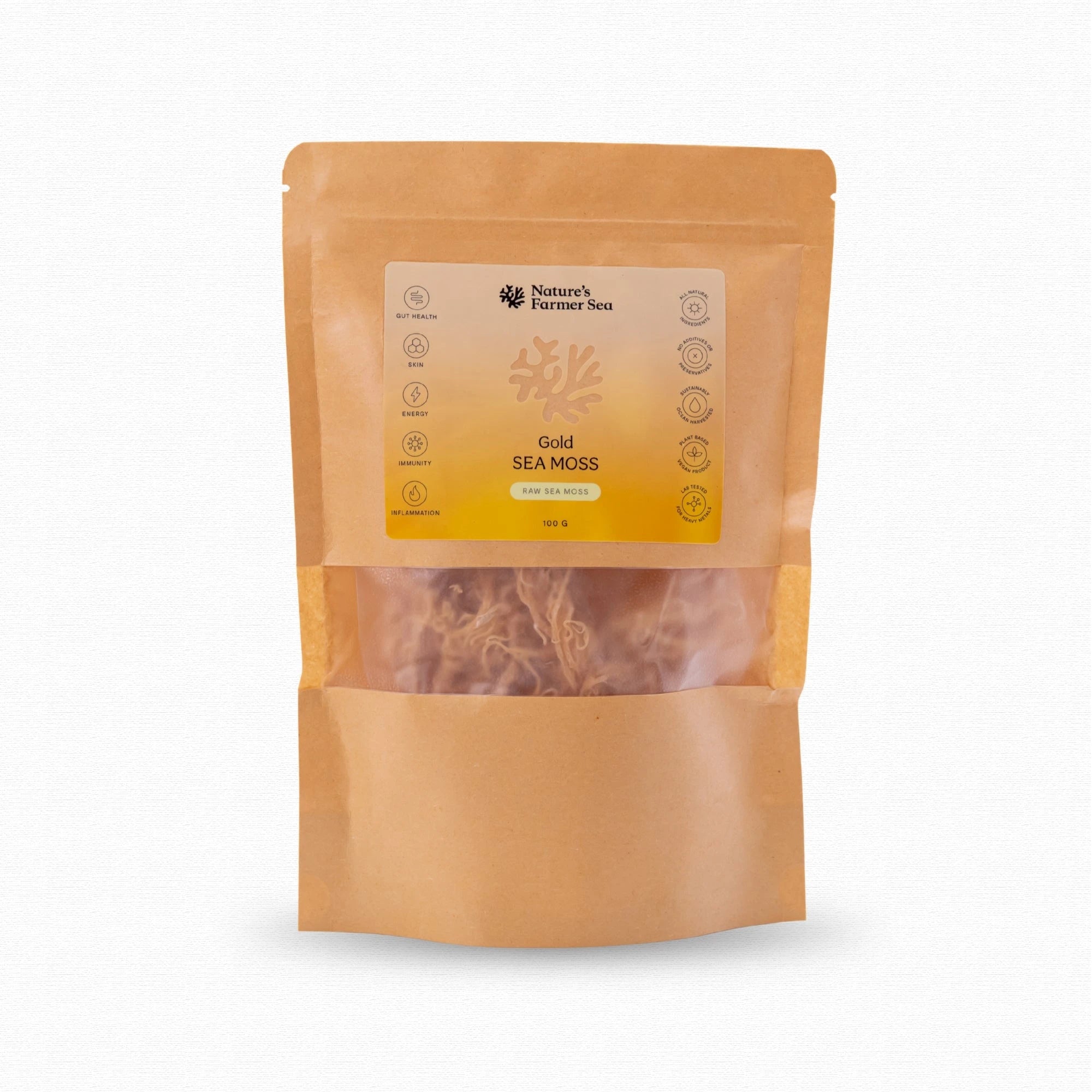
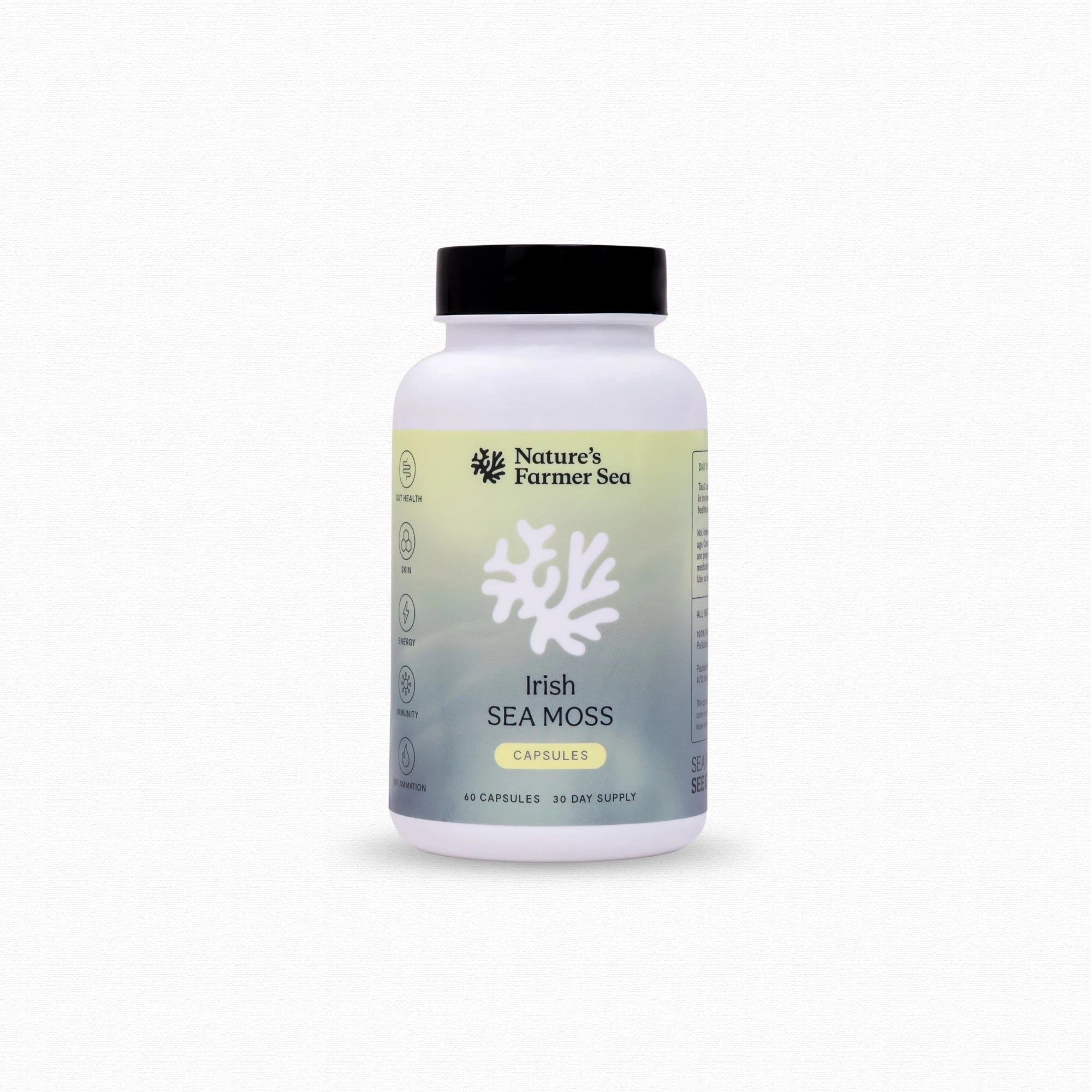
When Monk Fruit is added to our sea moss gels, it doesn’t just taste good—it amplifies the health benefits of every spoonful.
How to Choose The Best Monk Fruit Product
You shouldn’t need a chemistry degree to shop smarter—but it helps to know what to look for to ensure you’re getting the best quality:
-
Avoid "blends" or vague language like “with monk fruit.” These usually mean <1% actual monk fruit.
-
Check the ingredient order. If erythritol or dextrose comes first, that’s what you're really buying.
-
Look for mogroside V content. If the label doesn’t list it, chances are it’s negligible
-
Beware of low prices. Real monk fruit extract is expensive.
Monk Fruit and Gut Health, Hormones & Longevity
For those focused on hormonal balance, metabolic resilience, and longevity, monk fruit extract (when properly sourced) aligns beautifully. It’s a rare case where a sweetener:
-
Doesn’t spike insulin
-
Supports antioxidant activity
-
Carries therapeutic potential
-
Integrates seamlessly into a whole-foods lifestyle
It’s ideal for people avoiding blood sugar spikes, supporting liver detoxification, or working with clients on hormone or fertility protocols.
Final Thoughts: Sweetening with Purpose
Monk fruit should never be reduced to a buzzword. In its pure, undiluted form, it’s one of the few sweeteners that truly supports health—not just avoids harm.
At Nature’s Farmer Sea, we go beyond marketing and invest in ingredients that meet therapeutic standards, not just label requirements. Our monk fruit extract is potent, pure, and purpose-driven—because your body deserves better than fillers.
If you’re looking for a clean, intelligent sweetener you can actually feel good about using—this is it.
FAQ’s
Q: Is monk fruit better than sugar?
A: Yes—monk fruit contains mogroside V, which is up to 300 times sweeter than sugar but doesn’t spike blood sugar or insulin.
Q: Is monk fruit OK for gut health?
A: Pure monk fruit extract supports gut health and inflammation, especially when it’s free from sugar alcohols like erythritol.
Q: What’s the best monk fruit sweetener?
A: Look for products with at least 50% mogroside V and no added fillers like dextrose or erythritol—like the one used in our Sea Moss gels.
References
-
Boesten, D., Berger, A., & Bertolini, T. (2015). Health effects of erythritol. Nutrafoods, 14(3), 3–9. https://doi.org/10.1007/s13749-014-0067-5
-
EFSA Panel on Food Additives and Flavourings. (2019). Safety of use of Monk fruit extract as a food additive in different food categories. EFSA Journal, 17(12), 5921. https://doi.org/10.2903/j.efsa.2019.5921
-
Pandey, A. K., & Chauhan, O. P. (2019). Monk fruit (Siraitia grosvenorii) – Health aspects and food applications. Pantnagar Journal of Research, 17(3), 191–196.
-
Shivani, P., Misra, A., Bhushan, S., & Singh, P. (2021). Introduction, adaptation and characterization of monk fruit (Siraitia grosvenorii). Scientific Reports, 11, 6205. https://doi.org/10.1038/s41598-021-85689-
-
Yeung, A. W. K. (2023). Bibliometric analysis on monk fruit extract and mogrosides. Frontiers in Nutrition, 10, 1253255. https://doi.org/10.3389/fnut.2023.1253255