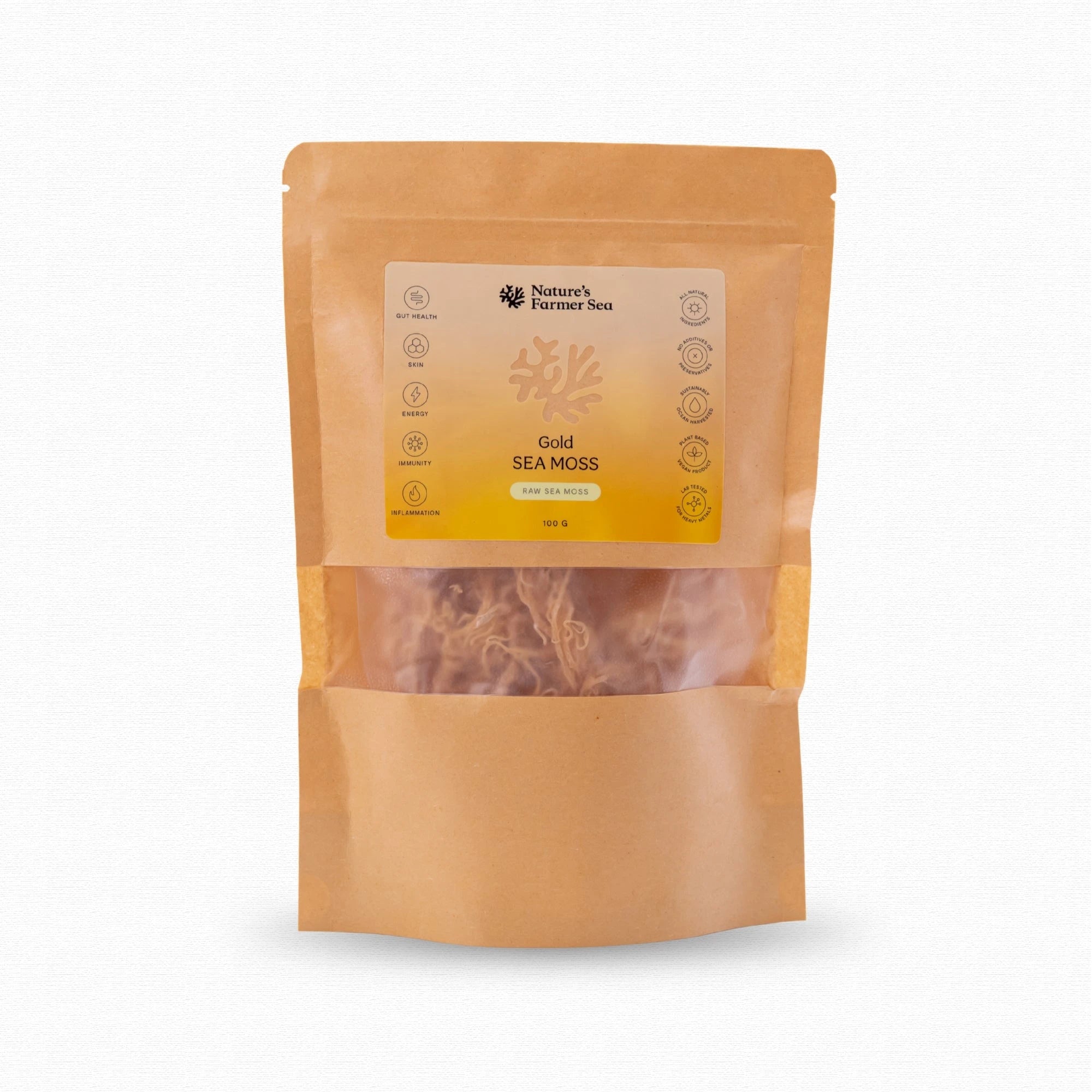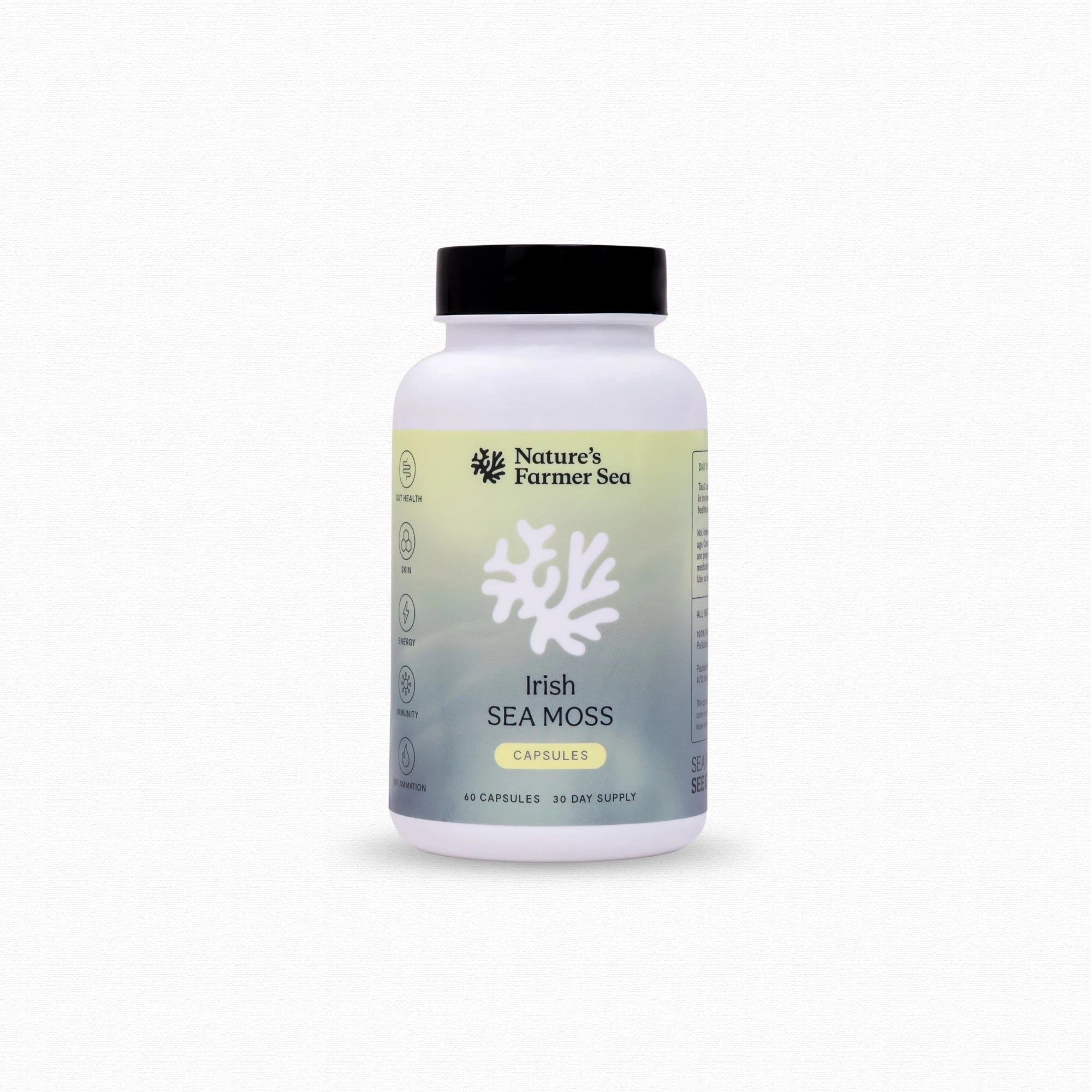


Imagine a natural supplement that supports your pet’s gut health, reduces inflammation, and strengthens immunity—all while being sustainable. Whether you have an energetic pup, a senior dog with joint issues, or livestock needing extra support, sea moss offers powerful health benefits.
Sea moss is rich in essential nutrients and bioactive compounds that enhance digestion, immunity, and overall vitality in pets and livestock. But how does it work, and what does the research say?
Health Benefits of Sea Moss for Pets
1. Supports Gut Health and Digestion
A healthy gut is the cornerstone of your pet’s overall health. The digestive tract plays a vital role in immune function, nutrient absorption, and even mood regulation.
When the gut microbiome is out of balance, pets can suffer from:
-
Bloating
-
Diarrhea
-
Food sensitivities
-
Recurring infections.
Sea moss contains:
-
Prebiotic fibers like carrageenan that nourish beneficial bacteria (Lactobacillus, Bifidobacterium)
-
Short-chain fatty acids (SCFAs) created through fermentation, which help soothe inflammation and strengthen the gut lining (Chen et al., 2023)
One study showed that dogs with 3% sea moss in their diet experienced increased populations of helpful bacteria and fewer harmful ones like Clostridium (Srinivas et al., 2024).
This means:
-
Better digestion
-
Firmer stools
-
Less bloating
-
Improved absorption of nutrients
A strong digestive system also helps regulate mood and energy levels, meaning your pet will feel better overall.
2. Reduces Inflammation and Oxidative Stress
Inflammation is the body’s natural response to injury and illness, but chronic inflammation can cause significant health issues for pets, leading to conditions like:
-
Arthritis
-
Skin problems
-
Heart disease
Over time, unchecked inflammation can contribute to tissue damage, pain, and premature aging.
Sea moss is loaded with:
-
Antioxidants and polyphenols that neutralize harmful free radicals, preventing oxidative stress
-
Anti-inflammatory compounds that help protect your pet’s joints, skin, and tissues from chronic inflammation
Did you know? 4 out of 5 senior dogs have arthritis.
That’s why preventing or reducing inflammation is crucial to their comfort and mobility (Siddik et al., 2024).
By fighting cellular damage and easing inflammation, sea moss helps pets stay active and comfortable for longer.
This can be especially beneficial for senior pets or breeds that are prone to joint issues, such as:
-
Labrador Retrievers
-
German Shepherds
-
Dachshunds
3. Strengthen Your Pet’s Immunity with Sea Moss
Every day, our pets come into contact with bacteria, viruses, allergens, and environmental stressors. Their immune system is constantly working to keep them healthy, but sometimes it needs extra support. A strong immune system helps pets recover from illness faster, fight off infections, and resist chronic diseases.
How sea moss helps:
-
Boosts glutathione levels, a natural antioxidant that protects cells from damage
-
Provides sulfated polysaccharides, which regulate immune responses and prevent overreactions like allergies (Srinivas et al., 2024)
-
Enhances the body’s ability to recover from illness and defend against pathogens
Without a robust immune system, pets become more prone to infections, allergies, and chronic illness. Sea moss acts like a natural shield, helping them stay strong and well.
Sea Moss for Livestock: Eco-Friendly Nutrition
Sea moss isn’t just good for household pets—it’s transforming the livestock industry by providing farmers with a sustainable, nutrient-rich feed option that benefits both animals and the environment.
Which Seaweeds Are Used?
Different species of seaweed are being explored for their effects on livestock health and sustainability:
-
Gracilaria tenuistipitata – Improves digestion and enhances antioxidant levels in ruminants
-
Asparagopsis taxiformis – Reduces methane emissions by up to 97%, making cattle farming more sustainable (Lean et al., 2021)
-
Kappaphycus alvarezii – Supports gut health and improves metabolic performance in livestock (Srinivas et al., 2024)
Environmental Benefits
-
Reduces methane emissions by an average of 5.28 g/kg of dry feed, addressing climate change concerns
-
Supports climate goals and promotes greener agricultural practices
-
Backed by the Australian government, which is funding seaweed-based feed trials for methane mitigation
Sea moss allows farmers to nourish their animals while reducing the environmental footprint of livestock farming—a win for both agriculture and sustainability.
Why Sea Moss Helps Pet Thrive
-
Sea moss improves gut health, reduces inflammation, and supports immunity in pets.
-
For livestock, it enhances performance and helps fight climate change by reducing emissions.
-
It’s backed by strong scientific research and aligns with sustainable animal care
FAQ
-
Is sea moss safe for dogs and cats?
Yes, in small amounts. Always use high-quality sea moss and check with your vet before starting.
-
What does sea moss do for dogs?
It supports gut health, reduces inflammation, boosts immunity, and may ease allergy symptoms.
-
Can I give sea moss to livestock?
Yes. It improves digestion, supports metabolism, and can significantly reduce methane emissions.
-
Can sea moss help with allergies or skin issues?
Yes. Its anti-inflammatory and immune-balancing properties may reduce itching and allergic reactions.
-
Is all sea moss the same?
No. Look for clean, wild-harvested or organic sea moss, free from contaminants and additives.
References
-
Balasubramanian, B., et al. (2021). Supplemental impact of marine red seaweed on broiler health. Animals, 11(1244). https://doi.org/10.3390/ani11051244
-
Chen, P. L., et al. (2023). Structure and fermentation properties of sulfated polysaccharides. Food Science and Human Wellness, 12, 596–606. https://doi.org/10.1016/j.fshw.2022.07.062
-
Lean, I. J., et al. (2021). A meta-analysis of effects of dietary seaweed on beef and dairy cattle performance and methane yield. PLOS ONE, 16(7), e0249053. https://doi.org/10.1371/journal.pone.0249053
-
Siddik, M. A. B., et al. (2024). Dietary seaweed mitigates oxidative stress in Nile tilapia. Frontiers in Immunology, 15, 1471261. https://doi.org/10.3389/fimmu.2024.1471261
-
Srinivas, K. Y., et al. (2024). Tropical red seaweed supplementation in dogs. Journal of Applied Phycology, 36, 2183–2198. https://doi.org/10.1007/s10811-024-03229-7
-
Zheng, M., et al. (2024). Polysaccharides from Bangia fusco-purpurea prevent obesity in mice. International Journal of Biological Macromolecules, 283, 137545. https://doi.org/10.1016/j.ijbiomac.2024.137545